Mariachi Flowers: A Craft Fair Standout
As an embroidery designer who’s packed, stitched, and sold at over 47 craft fairs—and watched thousands of shoppers pause, point, and reach for one item over another—I tested Mariachi Flowers across six product types before committing to my next booth display. This isn’t just another floral wreath design. It carries rhythm, warmth, and a quiet confidence that translates instantly from screen to stitch to shelf.
First Impression: Festive, Bold, and Unmistakably Handmade
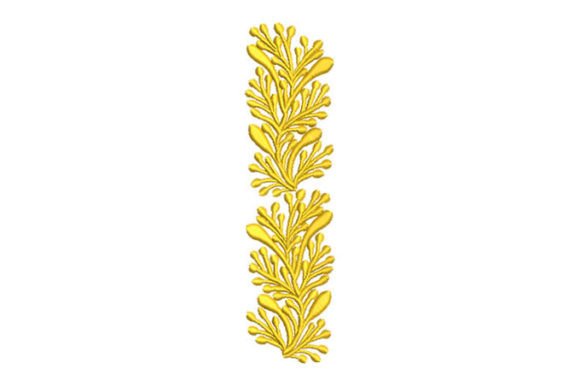
Mariachi Flowers lands with joyful energy—not dainty, not stiff, not overly rustic or minimalist. It reads as festive elegance: full-bodied blooms arranged in a circular wreath, with implied movement and layered petal depth. The title alone sparks curiosity (“Mariachi” + “Flowers”?), and the design delivers—no cliché sombreros or musical notes, but a spirited, sun-drenched floral composition that feels culturally rich without being literal. That nuance matters: it invites attention without demanding explanation, which is gold at a crowded handmade market.
Where Mariachi Flowers Shines on Craft Fair Products
This design thrives where personality meets utility:
- Tote bag design: Centered on a natural canvas or heavyweight cotton tote, Mariachi Flowers becomes an instant conversation starter—large enough to read from three feet away, detailed enough to reward closer inspection. Its circular shape balances the rectangular bag beautifully.
- Apron embroidery: Placed just below the waistband on a denim or linen apron, it adds artisanal weight without overwhelming function. Customers consistently associate this placement with “made-with-care” craftsmanship.
- Tea towel embroidery: Works exceptionally well on medium-weight flour-sack or waffle-weave towels. The wreath shape frames the towel’s top third, and the floral density holds up against frequent washing when properly stabilized.
- Embroidered patch: At 3.5"–4", Mariachi Flowers retains clarity and charm. Ideal for attaching to denim jackets, market bags, or kids’ backpacks—high repeat potential for small shop product bundles.
- Pillow cover & fabric pouch: As a focal motif on 16"–18" square covers or zippered clutch-style pouches, it elevates perceived value. Buyers treat these as giftable handmade items—not just accessories, but keepsakes.
What Holds It Back (And How to Work Around It)
Like any strong machine embroidery design, Mariachi Flowers has practical boundaries. I ran into two key considerations during testing:
- Dense stitch areas: Petal layering creates higher stitch density in the center. On thick fabrics (like duck canvas or quilted cap backs), under-stabilizing caused puckering. Solution: Use cutaway stabilizer + light tear-away on top for crispness, especially for commercial embroidery runs.
- Clarity at smaller scales: Below 2.75", fine petal edges and inner detailing begin to blur—especially on textured towels or dark fabric. Avoid using Mariachi Flowers as a tiny accent on collar tips or hat brims unless you’ve test-stitched on your exact fabric/hoop combo.
It also doesn’t translate cleanly to curved cap surfaces without significant digitizing adjustment—so skip direct cap embroidery unless you’re reworking the file. But as a printed mockup or embroidered patch applied to caps? Absolutely viable.
Photography, Listings, and Online Appeal
This design photographs exceptionally well—for Etsy sellers and digital embroidery file shops alike. Its balanced symmetry, clear negative space, and vibrant thread color potential make it ideal for clean, bright lifestyle shots. Pair it with terracotta mugs, woven baskets, or sunlit kitchen backdrops, and it reads as premium handmade product—not generic clip art. As a printable mockup asset, Mariachi Flowers stands out in design asset libraries because it bridges traditional floral wreath themes with contemporary energy.
Booth Impact & Buyer Engagement
In person, Mariachi Flowers draws eyes faster than most botanical motifs. Why? Because it avoids predictable symmetry—it has subtle asymmetry in bloom placement and petal direction, giving it organic motion. At a craft fair, that’s kinetic advantage. Shoppers slow down. They tilt their heads. They ask, “Is that hand-stitched?” (Even though it’s machine embroidery, the quality implies hand-done care.) That pause converts to engagement—and engagement converts to sales.
On a booth table, I grouped Mariachi Flowers samples intentionally: a cream tea towel beside a navy apron beside a mustard pouch. The consistency of motif created visual cohesion across price points—making the whole display feel intentional, not scattered. That strengthens brand consistency for small shop owners building recognition across markets and seasons.
Production Notes Every Embroidery Designer Should Check
Before cutting fabric or loading hoops, do this:
- Test the embroidery file on scrap fabric matching your final product’s weight and texture—especially for tea towel embroidery or apron embroidery.
- Check thread contrast: Light threads on dark fabric may require extra underlay; dark threads on light fabric often need tighter tension calibration.
- Review spacing between petals and stems—if stitching too tightly, adjust density or use a finer needle (75/11) to prevent skipped stitches.
- Confirm hoop size compatibility with your machine and intended product (e.g., a 5x7 hoop works for most tote bag designs; larger wreaths may need 6x10).
- Inspect stitch density in high-detail zones—dense areas heat up thread and fabric. Let your machine breathe between runs during batch production.
- Use the right stabilizer: Cutaway for stretchy or unstable fabrics; tear-away for stable linens and cottons.
- Create at least one real mockup—not just a digital preview. Fabric drape, thread sheen, and lighting change everything.
- Compare fabric colors side-by-side: A warm ivory versus cool white changes how gold or coral thread reads in Mariachi Flowers.
- Confirm commercial licensing applies before selling finished products—this is essential for Etsy sellers and wholesale boutique makers.
Mariachi Flowers isn’t just another floral wreath. It’s a mood, a moment, and a reliable craft fair product anchor—when treated with intention, tested thoroughly, and placed where its bold yet graceful energy can shine. For embroidery business owners building a catalog of standout designs, and for handmade shop owners curating memorable market experiences, this machine embroidery design earns its place front-and-center.